Megginch Castle Ballroom Restoration and Camellia House Extension
Sensitive adaptation and sustainable regeneration of Category A-listed building at a Perthshire estate. This project reimagines a historic and underutilised structure as a fully functioning wedding venue, balancing heritage conservation principles with modern performance and comfort.
- Size/Scale
- Location Perthshire
- Client Giles Herdman
- Completion 2021
Megginch Castle Ballroom Restoration and Camellia House Extension
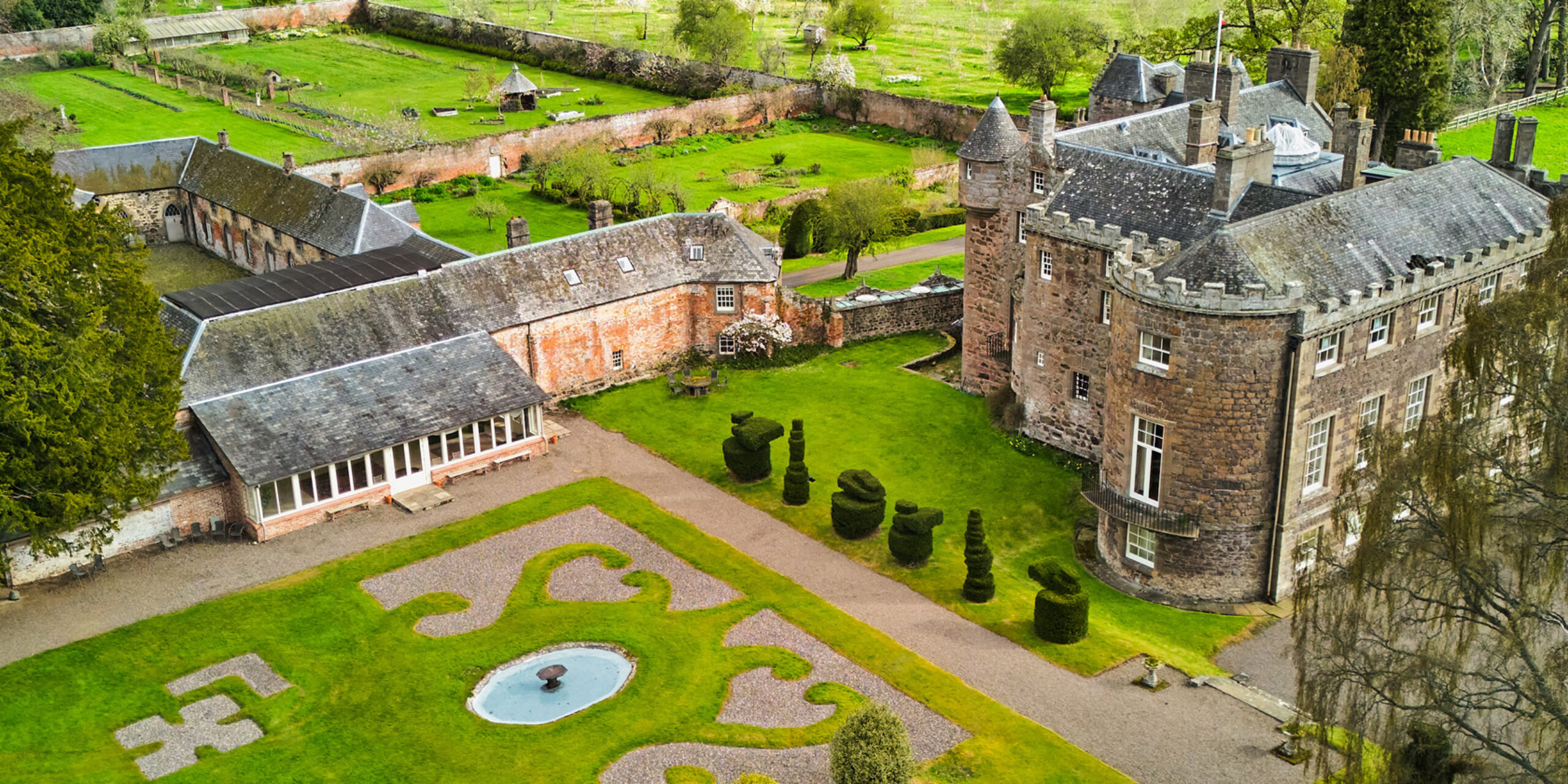
Megginch Castle is a 15th century castle in Perth & Kinross and has been the family home of the Drummonds since 1661.
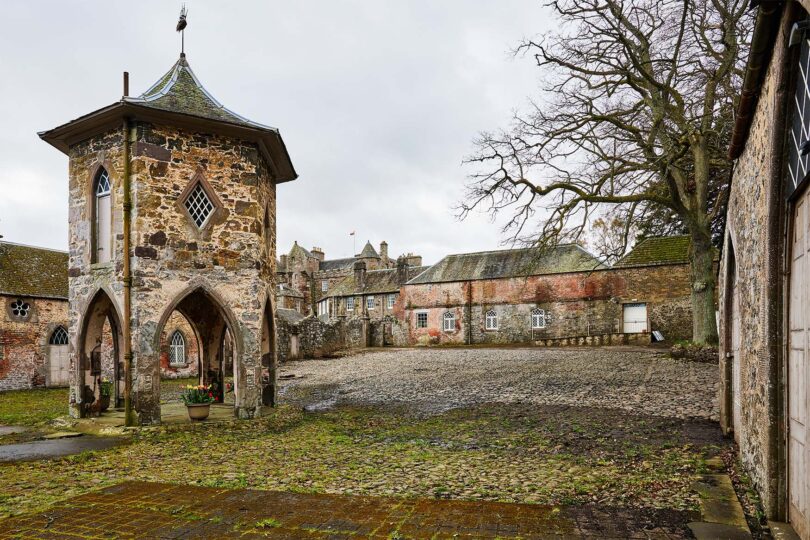
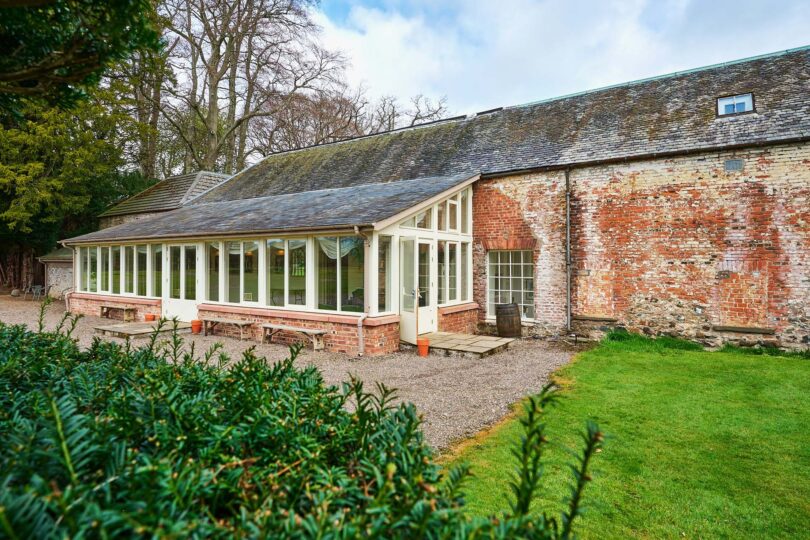
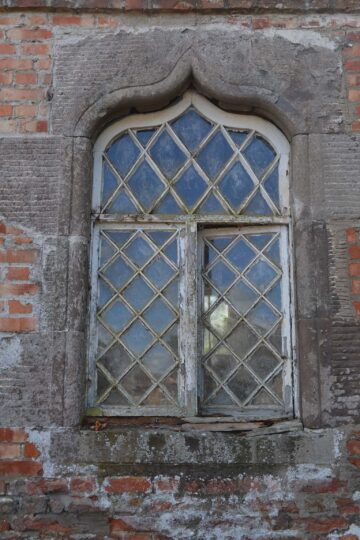
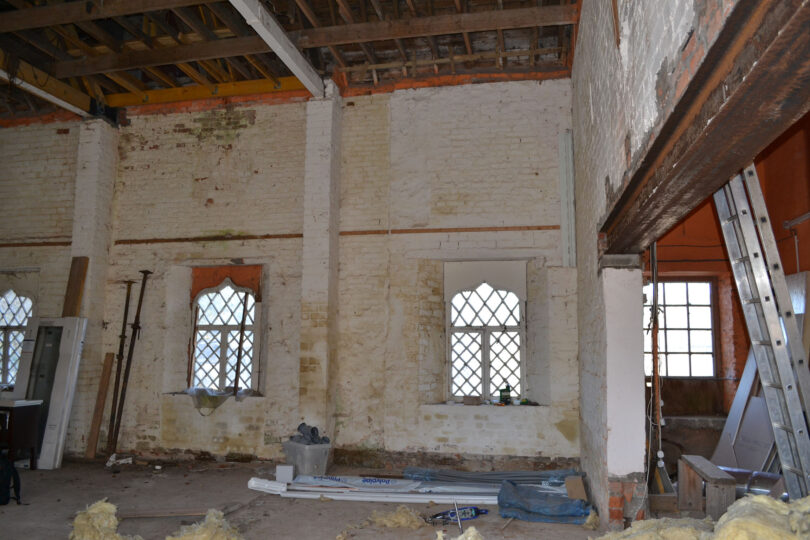
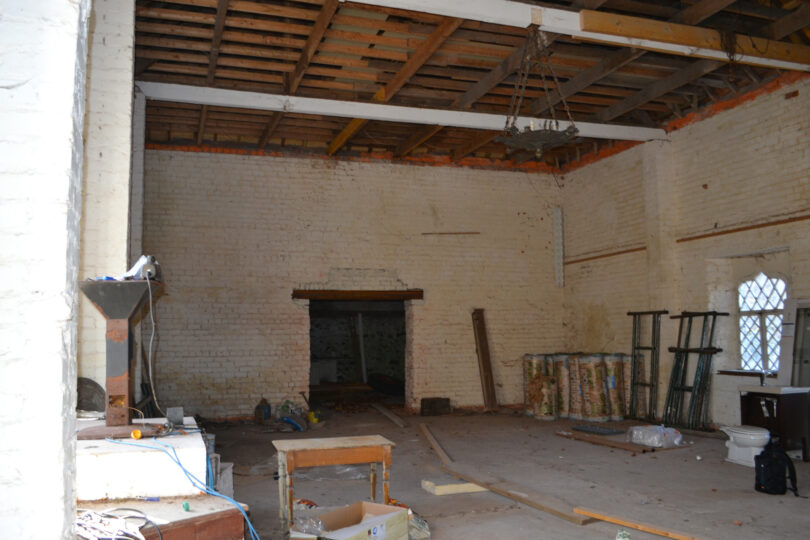
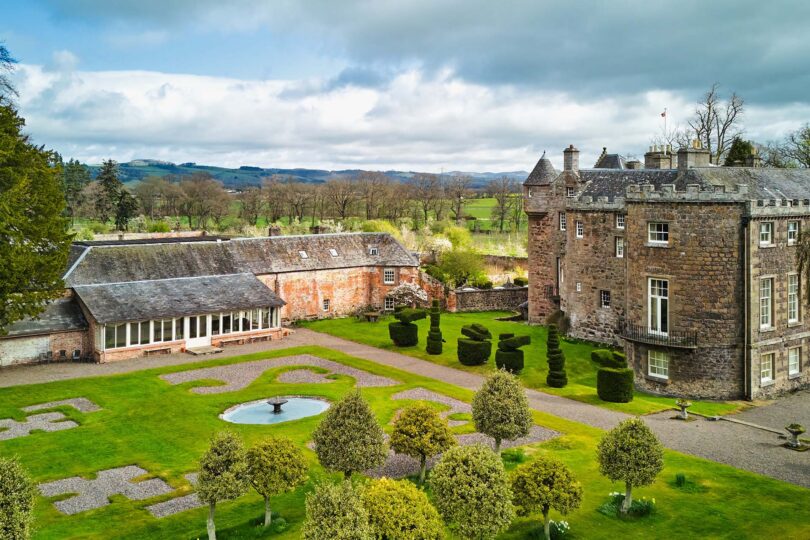
The castle’s 18th century ballroom is connected to the main castle via a passageway and is situated between the formal front gardens and a cobbled courtyard. The space was repurposed in the 1940s as a grain processing facility to support the war effort, before being reinstated as a ballroom in 1966. However, the building had since fallen into disrepair and our client wished to restore and revitalise the space to support the estate’s diversification as a wedding venue.
Design Approach
After successfully negotiating listed building consent with Perth & Kinross Council, we delivered a comprehensive internal refurbishment of the existing building, including but not limited to, the insulation of the building envelope, upgrading of services, and support facilities, including guest toilets. Our design strategy centred on three core principles:
- Respect for heritage fabric.
- Improved environmental performance.
- Adaptation for contemporary use.
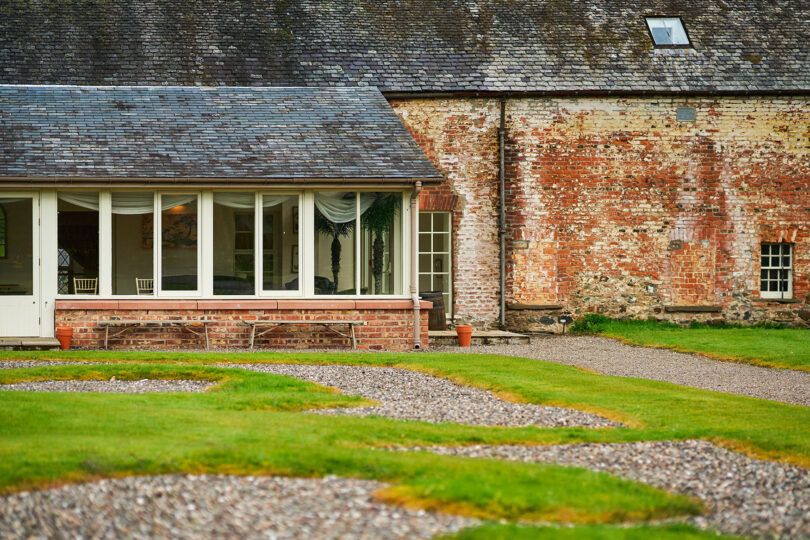
A former lean-to Camellia house on the south elevation of the ballroom was removed and replaced with a new extension positioned on its original footprint. The extension draws inspiration from a historic greenhouse that was previously located in the same area, expressed through a materials palette of glazing and a durable slate roof.
Building Fabric & Performance
The existing building envelope has been sensitively upgraded to meet modern standards, including:
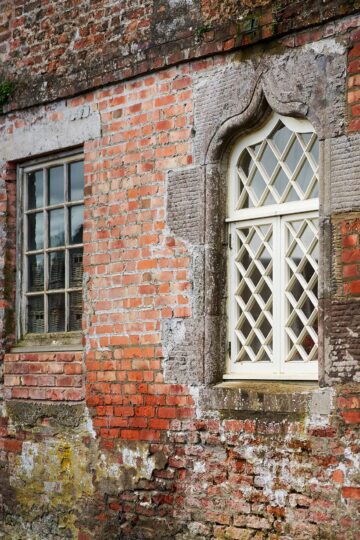
- Internal lining of the original brickwork with high-performance breathable insulation.
- Fully insulated floor construction.
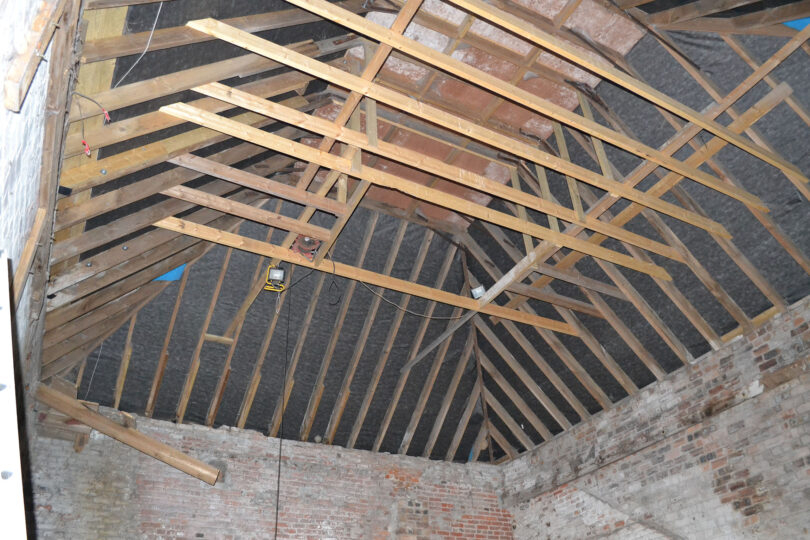
- Retention and repair of the existing roof structure, upgraded with insulation.
- Refurbishment of original windows, with secondary glazing introduced where appropriate.
These interventions significantly improve thermal performance and reduce long-term operational costs while protecting the structure of the building.
Alongside improvements to the building envelope, a new integrated heating system has been discreetly integrated to ensure year-round usability and comfort.
Interior Design
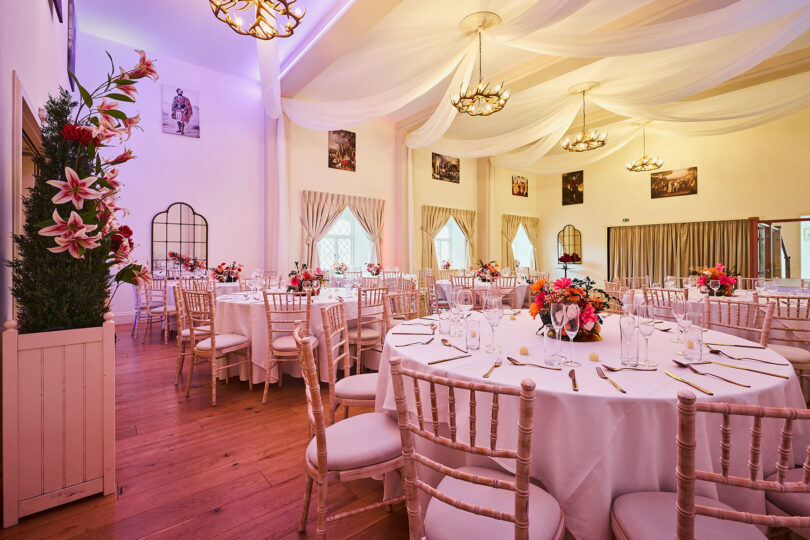
Inside, the restored ballroom now reflects a traditional aesthetic with architectural details retaining the character of the original building, including:
- Decorative cornicing and ceiling detailing.
- Natural material finishes.
- A new sprung timber dance floor, designed to support its function as an events space.
Outcome
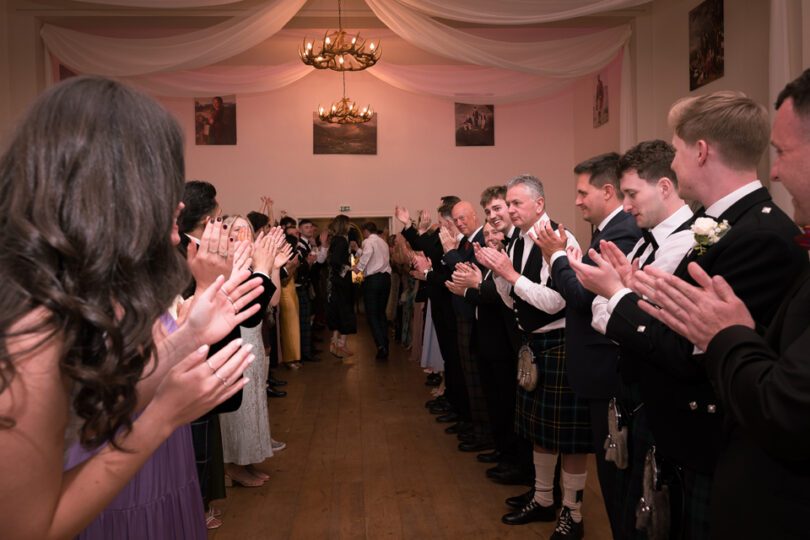
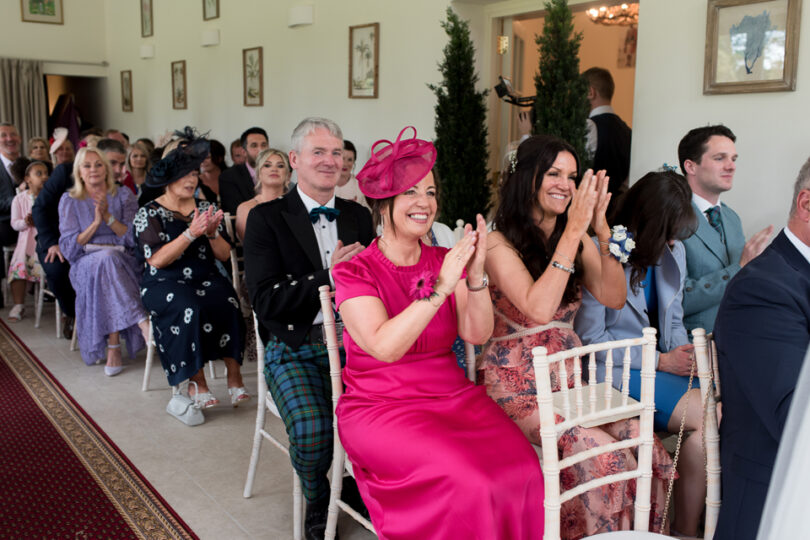
The completed project greatly improves the appearance of the building, transforming a neglected and underused structure into a vibrant and popular wedding venue, reactivating a key part of the estate.
Through careful restoration and sympathetic intervention, the ballroom now supports contemporary use as an events space while preserving and celebrating its historic significance.
The project demonstrates how considered architectural design can extend the life of listed heritage buildings — ensuring their continued relevance, usability, and contribution to their setting for generations to come.